

What Makes Good Hibachi Catering (From Someone Who Cooks It)

Most people booking a hibachi chef ask about price and availability. Almost nobody asks the two questions that decide whether the food is any good — how hot does the grill get, and how many parties is the chef doing that day?
I've been cooking hibachi at private events across Rhode Island, southeastern Massachusetts, and eastern Connecticut for years, out of a commercial kitchen in Cranston. Here's what actually separates good at-home hibachi from the kind that shows up gray and lukewarm — whether you book SIFU Hibachi & Sushi Catering or someone else.
Heat is the entire argument
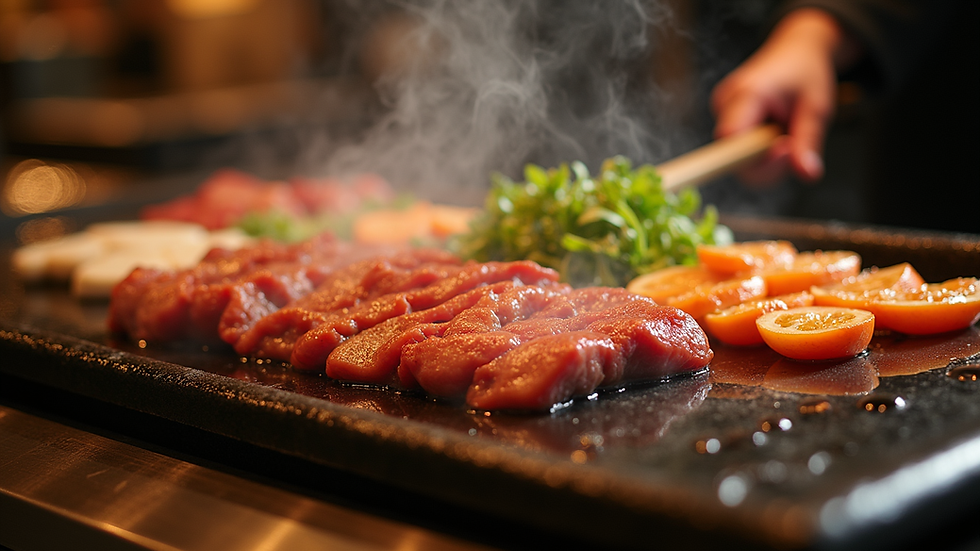
A real hibachi griddle runs north of 600°F. That temperature isn't showmanship — it's the difference between searing a piece of steak and steaming it.
Below a certain surface temperature, protein hitting the griddle releases its own moisture faster than the surface can drive it off. The meat sits in that liquid and poaches. You get gray edges, no crust, and that flat washed-out taste people associate with mediocre hibachi. Above it, the surface moisture flashes off on contact and you get browning, crust, and the aroma that's most of what people are actually paying for.
This is where a lot of mobile setups quietly fail. A portable grill that can't hold high heat under load will sear the first few plates and then sag as cold protein keeps hitting it. By plate twenty it's steaming, not searing, and the guests at the end of the line get a visibly different dinner than the ones at the front.
Holding temperature across an entire event is harder than reaching it once. That's an equipment and staffing question, not a talent question.
The thing nobody warns you about: propane indoors
This is the most important section in this article, and it has nothing to do with flavor.
People book hibachi in December. It's cold, so somebody suggests moving the grill into the garage, or the basement, or the kitchen. A chef who wants the booking says yes.
Burning propane in an enclosed space produces carbon monoxide. It's odorless, it's colorless, and in a closed garage with a commercial burner running for two hours it is a genuine danger — not a theoretical one. Every winter there are stories about people poisoned by running fuel-burning equipment indoors. A hibachi griddle is exactly that kind of equipment.
We do not run propane indoors. Ever. For indoor winter events we bring an electric griddle and our own battery power, so we're not depending on your circuit and we're not putting combustion in your house.
If a caterer agrees to run a propane grill in your garage without hesitating, that tells you something about how they make decisions when a booking is on the line. Ask the question specifically. The right answer involves either an outdoor setup, proper ventilation, or electric equipment.
Why the rice has to be from yesterday
Hibachi fried rice made from fresh rice is a mistake, and it's an easy one to spot once you know.
Freshly cooked rice is full of moisture and the grains cling. Hit that with a hot griddle and it clumps and turns to paste — you're making fried porridge, not fried rice.
Day-old refrigerated rice behaves completely differently. As cooked rice cools, the starch recrystallizes and pulls moisture inward, so the surface of each grain goes dry while the water stays locked inside. Those dry surfaces sear instead of steaming, and the grains stay separate through a second round of cooking. There's real food science behind this — studies on 12-hour refrigerated rice confirm the increase in crystallinity that makes it work.
It also means good hibachi rice requires planning a day ahead. A caterer cooking rice the morning of is telling you something about their operation.
One chef tops out around 30 guests
This is the number that governs everything else.
A single chef on a single griddle can cook, entertain, and plate for roughly 30 people before the math stops working. Past that, either the food slows down badly or the quality drops, because there's only so much surface area and only so many hands.
Our rule: past 40 guests, two grills and two chefs. Not one chef doing two rounds back to back — two stations running at once. The last guest served should be eating food as good as the first.
So when you're comparing quotes for a 50-person party, ask how many chefs and how many grills. If the answer is one of each, you're not comparing the same product. You're comparing a hibachi dinner to a hibachi dinner that takes twice as long and gets worse as it goes.
Ask what else they're cooking that day
Here's an industry habit most customers never see: a lot of mobile hibachi chefs book multiple parties in an evening, stacked back to back. Which means the chef at your event is watching the clock the entire time.
A rushed hibachi chef cuts the show, cooks hotter and faster than the food wants, and starts breaking down while your guests are still eating. You paid for an experience and got a delivery.
We schedule four hours apart per chef. Nobody at our events is trying to get somewhere else. That spacing is why the chef can do the full show, talk to your guests, cook at the pace the food actually needs, and clean up properly instead of vanishing.
The other version of the same problem is the solo operator — one person acting as chef and server simultaneously. The food slows down because the person cooking keeps stopping to plate, and the setup often gets left behind at the end of the night. We send a chef and a dedicated attendant, and cleanup isn't optional.
The tricks are actually hard
The onion volcano, the flying spatula, the egg roll up the arm — it's easy to dismiss all that as filler between the cooking.
Try stacking an onion volcano at home with a spatula sometime. Then try it with forty people watching and dinner cooking underneath it.
The theater is a skill, and more than that it's a proxy. A chef who can run the show fluidly while managing timing on three proteins across a full griddle is a chef with control of their station. Someone who skips it usually isn't skipping it by choice.
On sourcing
We buy through PFG and Sysco — the same broadline distributors that supply most serious restaurant kitchens in the region. That's not exotic and we don't pretend otherwise.
What it buys is consistency and traceability: the same product specification every event, cold chain handled by people whose whole business is cold chain, and documentation if anyone ever needs it. For catering, where the food travels before it's cooked, that reliability matters more than a sourcing story.
Six questions to ask before you book
Take these to any hibachi caterer, including us.
How many chefs and how many grills for my guest count? Past 30 guests, one of each isn't enough.
How many events is the chef doing that day? If yours is sandwiched between two others, expect to be rushed.
If we need to be indoors, what's your setup? Propane indoors is a carbon monoxide risk. The answer should be electric, or outdoors, or properly ventilated — not a shrug.
Is the fried rice made from day-old rice? Fresh rice makes paste. This is a quick test of whether they know the craft.
Is there a separate server, or is the chef doing both jobs? One person doing both means slower food and often no cleanup.
What's included in the price, and what's an upcharge? Ask specifically about proteins, because pick-one-or-two with paid upgrades is the industry norm.
How we do it
Griddles over 600°F. Two chefs and two grills past 40 guests. Four hours between events so nobody rushes. Day-old rice. Electric equipment for indoor winter events, with our own battery power. A chef and a dedicated attendant at every event, and we clean up before we leave.
Every guest gets chicken, steak, and shrimp — not pick-one — plus fried rice, noodles, vegetables, salad, and edamame. Signature Hibachi starts at $800 for up to 20 guests, which works out to about $40 a head with everything included.
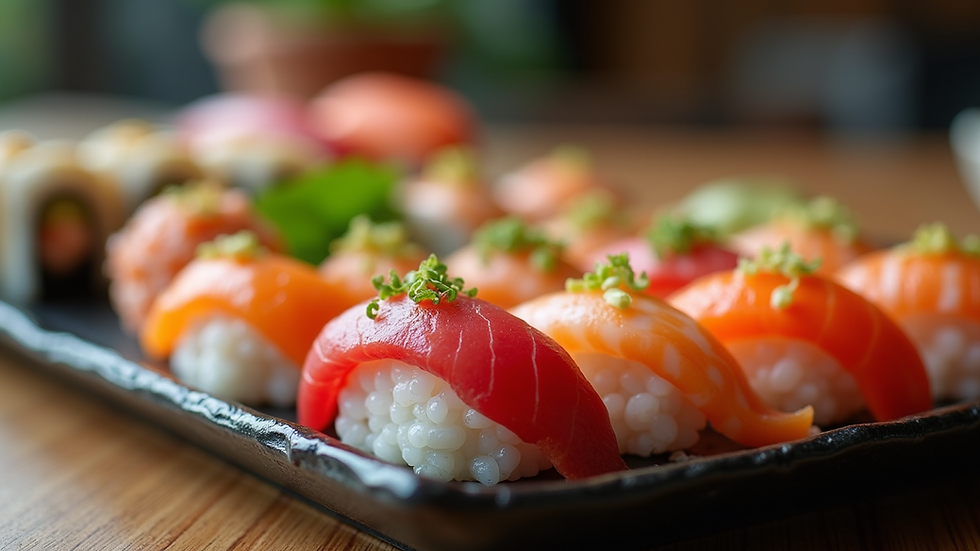
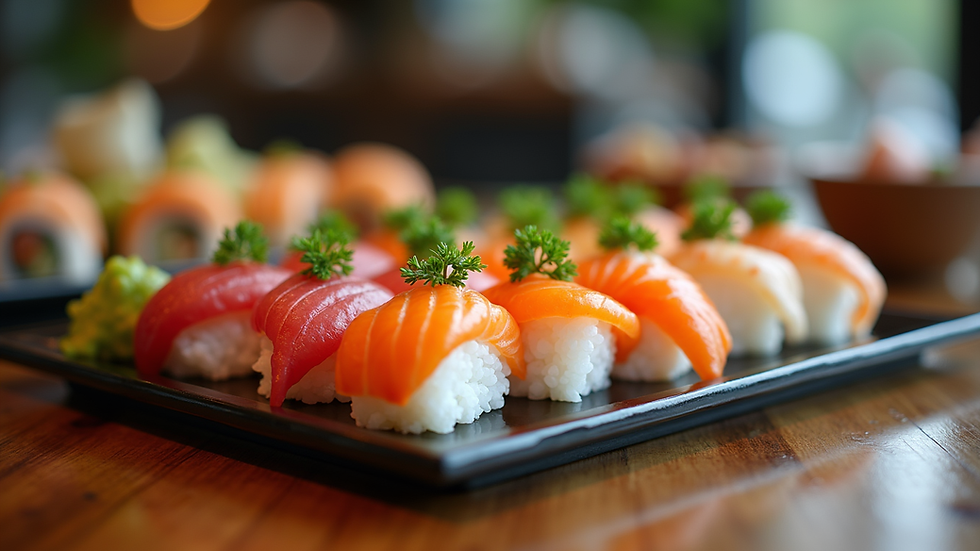
We also run a fresh sushi bar alongside the grill at the same event, and we hold a Rhode Island Class P caterer's liquor license, so we can legally provide and serve the bar too. If you want the same kind of detail on the sushi side, we wrote about what makes good sushi catering as well.
SIFU Hibachi & Sushi Catering — Cranston, RI. Serving Rhode Island, southeastern Massachusetts, and eastern Connecticut.
Comments